

Biofloc · Shrimp · RAS · Hatcheries
Blowers for aquaculture, biofloc, shrimp & RAS
Fine-bubble aeration is the whole game in biofloc and intensive aquaculture. A regenerative blower delivers continuous, oil-free air at the pressure your pond depth demands — and Yash builds the range for it, from a single 1 HP tank unit to a 33 HP farm header.
In a stocked pond, dissolved oxygen is the whole game. Lose air for an hour at 3 a.m. and you can lose the crop — which is why aeration here is oil-free and continuous.
Yash Blowers · Engineering desk
FITWhich Yash families fit
Machines built for aquaculture & biofloc
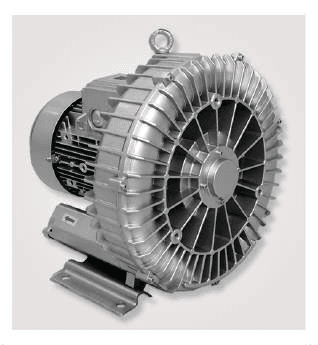
The workhorse for biofloc tanks and ponds up to ~1.5 m deep. Oil-free, 24/7 duty, from 1 HP hatchery units to 10 HP farm headers.
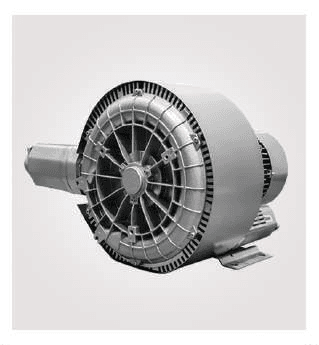
Higher pressure for deeper ponds, RAS sumps and long diffuser grids where a single stage runs out of head.
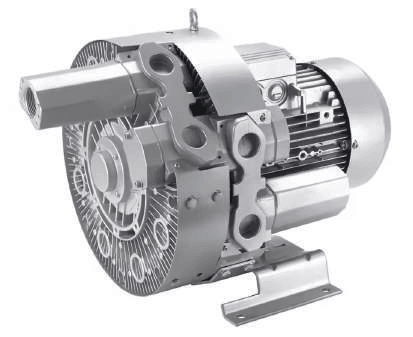
When diffusers sit 2 m+ down or back-pressure is high, the HP ring-blower series holds pressure a standard blower can't.
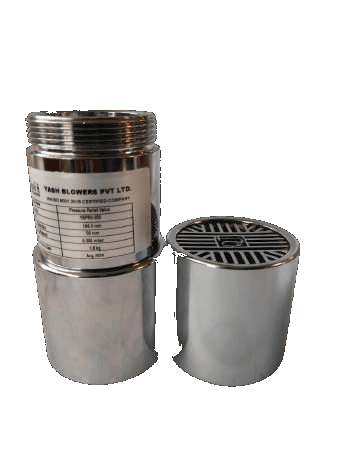
Inlet filtration to keep dust, insects and debris out of the impeller — essential on an open pond bank.
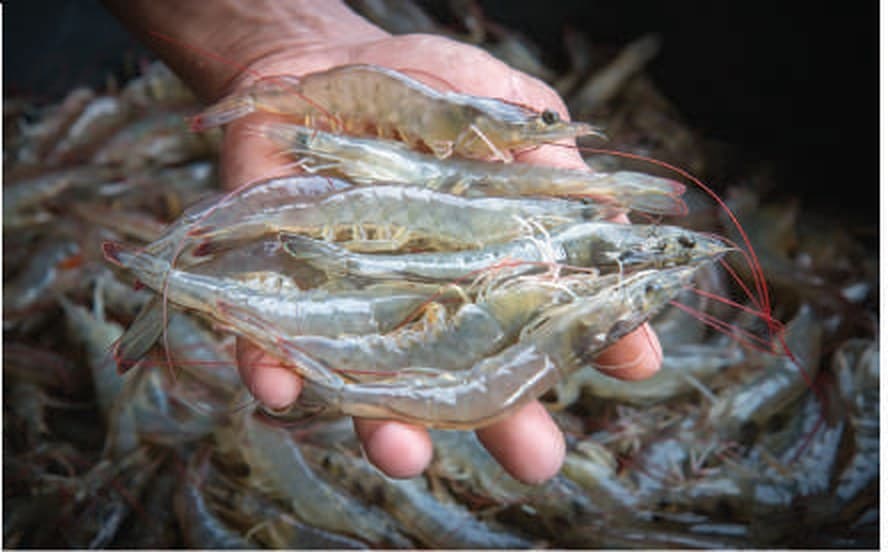
Aquaculture & Biofloc
APPThe engineering
The problem: dissolved oxygen is the ceiling on your stocking density
In biofloc, intensive shrimp culture and recirculating aquaculture systems (RAS), oxygen is the limiting resource. The whole promise of biofloc — growing 20–40 kg/m³ where a pond once carried 1–2 — rests on keeping a heavy bacterial floc in permanent suspension and holding dissolved oxygen (DO) above roughly 4–5 mg/L, day and night, at densities where the animals and the floc together consume oxygen faster than the surface can ever replace it. Let aeration stop for twenty minutes at a high stocking density and the floc settles, goes anaerobic and crashes the pond. Aeration is not a comfort here; it is life support.
Two things have to happen at once: oxygen transfer into the water, and mixing to keep the floc suspended and to move oxygen-rich water down to the bottom where the animals sit. The method you choose to do that decides your power bill, your reliability and, ultimately, your survival rate.
Paddlewheel vs. blower: why intensive systems move to diffused air
Paddlewheels are the traditional answer, and they are good at surface mixing in large, shallow earthen ponds. But they aerate at the surface, so oxygen has to work its way down; they leave dead zones; they are hard to control; and in a deep or tank-based system they simply cannot put oxygen where the biomass is. As farms intensify — lined ponds, tanks, biofloc, RAS — they move to diffused aeration: a blower pushes air through pipework to fine-bubble diffusers or nano-tube diffusers on the pond floor.
Diffused air wins on the two numbers that matter. First, oxygen transfer: a cloud of fine bubbles released at the bottom has enormous surface area and a long rise time, so far more oxygen dissolves per unit of air than a paddlewheel churning the surface. Second, mixing from the bottom up lifts the floc and eliminates dead zones. And a single blower can feed an entire bank of tanks or a grid of diffusers across a pond, which is why blower-based aeration scales so much better than dropping another paddlewheel motor in every corner.
Why a regenerative (ring) blower — and why oil-free matters
For the 200–500 mbar range that diffused pond and tank aeration needs, the right machine is a regenerative blower — also called a ring blower, side channel blower or vortex blower. It is a single moving part (a die-cast aluminium impeller) spinning in a side channel; there are no vanes to wear, no oil in the air path and no pulsing like a piston compressor. That gives you a steady, oil-free air stream — essential, because any oil carried into the water is a contaminant in a food-production system — and the kind of continuous 24/7 duty aquaculture demands, with very little to service beyond the inlet filter.
Yash regenerative blowers are cast, machined and dynamically balanced in-house, which is what lets them run around the clock through a whole crop cycle without the vibration that kills bearings. Fit an inlet filter to keep dust and insects out of the impeller, and a pressure-relief valve so the machine is protected if a diffuser line is throttled or blocked — both are in the Yash catalogue.
The solution: match blower pressure to water depth
Sizing diffused aeration comes down to two questions — how deep are the diffusers, and how much air do you need. Pressure is set by depth: the blower has to overcome the water column above the diffuser plus the diffuser's own resistance and pipe losses. As a rule of thumb, every metre of water depth is about 100 mbar, so a 1.5 m tank needs roughly 150 mbar at the diffuser, and by the time you add diffuser and pipe losses you want a blower rated well above that. Shallow biofloc tanks live comfortably on a single-stage ring blower; deep RAS sumps and 2 m+ ponds need the higher pressure of a double-stage or high-pressure machine.
Airflow is set by biomass and diffuser count — more animals and more diffusers need more m³/hr. The practical way to design a farm is to fix the diffuser depth (pressure), total the air each diffuser needs (flow), add a margin, and pick the smallest Yash model that covers both. Use the table below as a starting point, then send us the real numbers.
Redundancy: never run a farm on one blower
Because aeration is life support, intensive farms should build in redundancy — either an N+1 blower bank on a shared header with a non-return valve per unit, or a standby blower that auto-starts on a DO or pressure alarm, backed by a generator. Sizing several smaller blowers across a header instead of one large machine also lets you throttle capacity to the crop as it grows and keeps a failure from taking the whole farm down. Yash's in-house spares and air-freight dispatch for export customers exist precisely so a down blower is a same-week fix, not a lost crop.
SIZESizing guidance
| Water / diffuser depth | Approx. pressure needed | Blower type | Example Yash models |
|---|---|---|---|
| ≤ 1.0 m (shallow tanks) | ≥ 120 mbar | Single-stage ring | YEBL-1-145 · YEBL-1-210 |
| 1.0 – 1.5 m (biofloc tanks) | ≥ 170 mbar | Single-stage ring | YEBL-1-270 · YEBL-1-320V |
| 1.5 – 2.0 m (deep ponds) | ≥ 250 mbar | Single / double stage | YEBL-1-320V · YEBL-DS-150V |
| 2.0 – 3.0 m (RAS sumps) | ≥ 350 mbar | Double stage / HP | YEBL-DS-320V · YEBL-HP-DS-120 |
| Deep / high back-pressure | 500 – 800 mbar | High-pressure series | YEBL-HP-DS-165 · YEBL-HP-TS-175 |
Indicative only — final selection depends on your exact duty point, altitude and air temperature. Send the numbers and an engineer confirms the model.
FAQFrequently asked questions
Is a ring blower better than a paddlewheel for biofloc?
For biofloc, tanks and any lined or deep system, yes. A regenerative ring blower feeding bottom diffusers transfers more oxygen per kW and mixes the floc from the bottom up, where a paddlewheel only aerates the surface and leaves dead zones. Paddlewheels still have a place for surface mixing in large shallow earthen ponds, and many farms run both.
How do I size a blower to my pond depth?
Pressure follows depth — roughly 100 mbar per metre of water — plus diffuser and pipe losses, so a 1.5 m tank needs a blower rated well above 150 mbar. Airflow follows biomass and diffuser count. Fix the depth, total the air your diffusers need, add a safety margin and pick the smallest Yash model that covers both pressure and flow. Send us the numbers and we confirm the model.
Are Yash blowers oil-free and safe for a food-production system?
Yes. Regenerative blowers have a single die-cast impeller and no oil in the air path, so the air delivered to the water is clean and oil-free — important for shrimp, fish and the biofloc culture itself.
Do you export aeration blowers for aquaculture projects?
Yes. Aquaculture is a core export market for Yash — we ship regenerative blowers and spares worldwide, packed in seaworthy crates, with test certificates on request and air-freight dispatch for spares to keep a farm running.
RFQ / Request for Quotation
Sizing a blower for aquaculture & biofloc?
Send duty point, flow and pressure — an engineer sizes the right model and quotes ex-works Faridabad, FOB Nhava Sheva or CIF your port.