
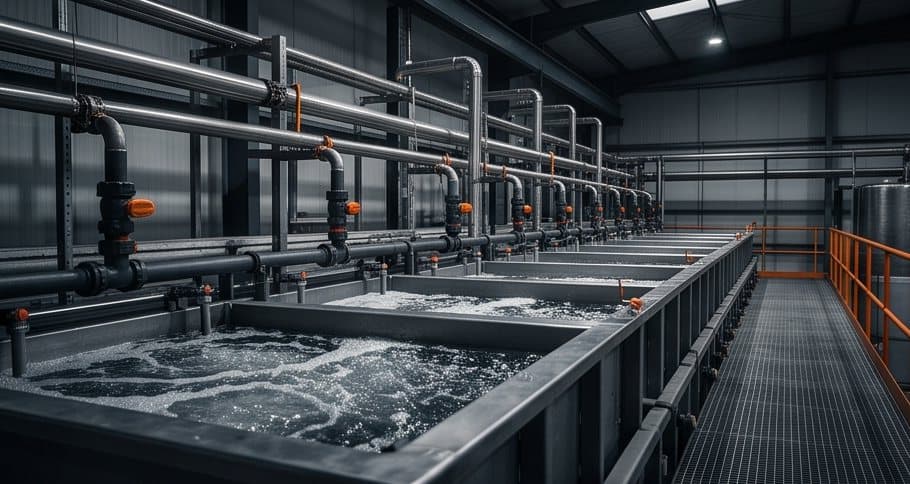
 Illustrative
Bath agitation · Fume exhaust · Scrubber draft
Blowers for electroplating: bath air agitation & fume exhaust
Electroplating asks two very different things of a blower: clean, oil-free air pushed through a sparger to agitate the bath, and corrosion-resistant draft pulled through a scrubber to clear the fumes. Yash builds both — regenerative blowers for agitation, centrifugal blowers for exhaust — and knows why the air on the agitation side must never carry a drop of oil.
Bath agitation wants gentle, oil-free air — not oxygen, not oil. One carried-over droplet contaminates the plating chemistry the whole line depends on.
Yash Blowers · Engineering desk
FITWhich Yash families fit
Machines built for electroplating
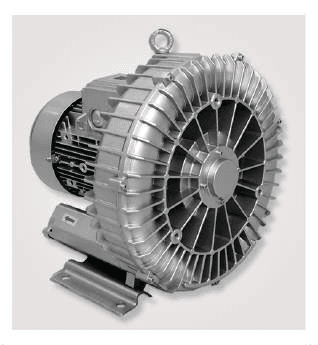
The oil-free workhorse for plating-bath air agitation. Feeds the sparger with clean air at the 100–200 mbar most 0.8–1.5 m deep tanks need, and runs 24/7 without oil in the air path.
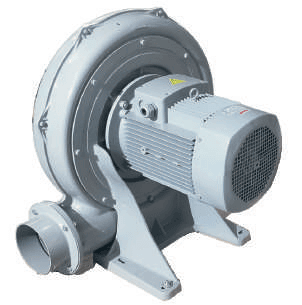
General fume-exhaust and scrubber-draft duty. Moves the tank-lip extraction volume against hood, duct and scrubber pressure drop on medium plating lines.
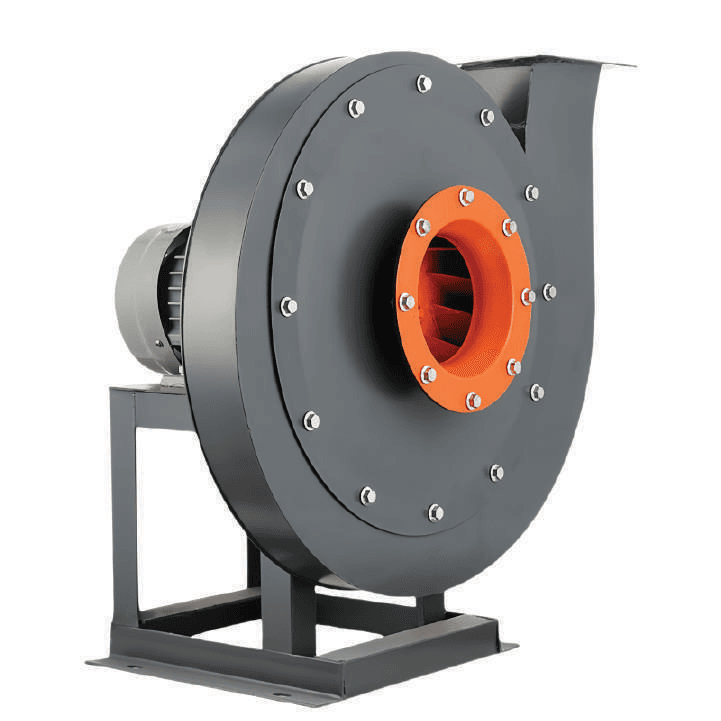
For exhaust systems with long duct runs, tall scrubber packing or high static pressure, where a general centrifugal runs out of head to keep capture velocity at the lip.
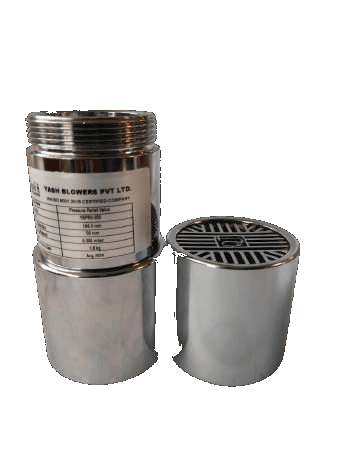
Inlet filtration on the agitation blower — keeps grinding dust, buffing lint and hall debris out of the impeller and out of the bath.
APPThe engineering
The problem: a plating line has two air duties, and they pull in opposite directions
On an electroplating line, air does two jobs that have almost nothing in common. One is positive-pressure agitation — pushing clean air through a perforated pipe on the tank floor so the electrolyte keeps moving. The other is negative-pressure exhaust — pulling the acid and alkali mist off the bath surface, through lip extraction and a wet scrubber, before it corrodes the building and the people in it. One duty demands air so clean it will not contaminate a decorative finish; the other handles the most corrosive gas stream in the shop. Sizing and specifying them as if they were the same machine is how plating shops end up with hazed deposits, scrapped work and rusted ductwork. They are two problems, and they take two different blowers.
Why plating baths need air agitation at all
When current flows, metal ions plate out at the cathode faster than diffusion can replace them in the thin boundary layer clinging to the work. That layer goes ion-starved. The moment it does, deposition rate falls off, the deposit turns dull or burnt at high-current-density edges, and thickness drifts from one face of the part to another. The cure is movement — you have to keep well-mixed, ion-rich electrolyte sweeping across the cathode so the boundary layer never depletes. Air agitation is the most common way to get that movement in a rack or barrel line: a blower feeds a perforated air-sparger pipe running the length of the tank bottom, the rising curtain of bubbles drags electrolyte up and over the work, and the whole bath turns over continuously.
Agitation buys you three things at once. It evens out metal-ion concentration at the cathode, so the deposit builds at the same rate across the part and thickness stays uniform. It lets you run a higher current density without burning — more amps means faster plating and higher throughput — because the fresh electrolyte can carry the extra ion demand. And it keeps bath temperature and additive concentration uniform instead of stratified. For bright nickel, acid zinc, copper and many decorative and functional baths, agitation is not a refinement; it is what makes the process specification achievable.
Why the agitation air must be oil-free — and why that rules out a piston compressor
Here is the point that decides the whole agitation specification: the air goes into the bath. Whatever the blower puts into that air stream ends up bubbling through the electrolyte and depositing on the work. Run the sparger off a shop compressed-air line and you are feeding the bath a fine mist of lubricating oil carried over from an oil-lubricated piston or screw compressor. Oil in a plating bath is a contaminant that causes pitting, hazing, poor adhesion, roughness and organic contamination that no amount of current tuning will fix. On a bright decorative finish it shows up as a ruined surface and rejected parts.
A regenerative (ring) blower solves this by design. Its only moving part is a die-cast aluminium impeller spinning in a side channel — there are no pistons, no vanes and no oil anywhere in the air path. The air it delivers is inherently oil-free, so it cannot contaminate the bath. That is the core reason plating shops choose a dedicated ring blower for agitation instead of tapping the compressed-air header: the compressor may be cheaper to tap, but it is carrying oil, and oil ruins the finish. A ring blower also runs continuously and quietly at the low pressure agitation actually needs, where a piston compressor is oversized, pulsing and wasteful. Fit an inlet filter so the impeller never ingests airborne grinding dust or buffing lint from the plating hall, and a pressure-relief valve so the blower is protected if the sparger holes foul with salts and back-pressure climbs.
The solution, part one: sizing agitation air to the tank
Agitation sizing comes down to pressure and flow. Pressure is set by how deep the sparger sits — the blower must overcome the water column above it plus the sparger and pipe losses. As a rule of thumb, each metre of bath depth is roughly 100 mbar, so a 1 m deep tank needs a blower delivering comfortably above 100 mbar at the sparger. Most plating tanks are 0.8 m to 1.5 m deep, which sits squarely in single-stage ring-blower territory.
Flow scales with the tank surface and length, because you are trying to roll the whole bath over evenly. A workable starting figure for general agitation is on the order of 1 m³/hr of air per metre of sparger lengthfor light agitation, rising to 2–3 m³/hr per metre for vigorous agitation on high-current-density work. So a 2 m long plating tank wants roughly 2–6 m³/hr along its length; a bank of several tanks fed from one header multiplies accordingly. The practical method is to fix the sparger depth (that sets pressure), total the length of sparger across all tanks on the header and multiply by your agitation intensity (that sets flow), add a margin for fouling, and pick the smallest Yash ring blower that covers both. Drill the sparger so holes face slightly downward or to the side — that keeps them from silting up with bath salts and gives a more even bubble curtain.
The solution, part two: fume exhaust and scrubber draft
The second duty is exhaust, and it is a different machine. Plating and pre-treatment baths — chromic acid, hydrochloric and sulphuric acid dips, cyanide and alkaline cleaners — throw off corrosive mist and fumes that have to be captured at the tank lip and pulled away before they spread. The standard arrangement is lip (push-pull) extraction slots along the tank edges, ducted to a wet scrubber where the gas stream is washed before discharge. Moving that air is a centrifugal blower duty: it has to pull a substantial volume against the pressure drop of the hoods, ductwork and the scrubber packing.
Because the stream is corrosive and saturated with acidic or alkaline mist, material of construction is the whole question on the exhaust side. A standard mild-steel fan will corrode through in months. Depending on the chemistry, the wetted parts want an appropriate corrosion-resistant construction — anti-corrosive coatings, FRP or a suitable plastic-lined build for aggressive acid streams — and the blower should sit on the clean side of the scrubber wherever the layout allows, so it handles washed, cooled gas rather than raw fume. Size the centrifugal blower to the total exhaust volume the hoods demand at the static pressure the duct-and-scrubber system imposes, and confirm the material against the specific bath chemistry before you build. Tell us the chemistry and the duct layout and we will match both the aerodynamic duty and the material.
Two blowers, one supplier — and redundancy where it counts
Keeping agitation and exhaust as separate, correctly specified machines is the point. The agitation blower stays oil-free and modestly sized to the tanks; the exhaust blower is built for corrosion and sized to the scrubber. On a production line, treat the exhaust blower as safety-critical — losing draft means fumes back into the hall — so many shops run a standby or an N+1 arrangement on the exhaust header. Yash supplies both families, plus the inlet filters and relief valves for the agitation side, with in-house spares and export dispatch, so a plating shop sources the whole air side from one place and keeps a spare on the shelf rather than losing a shift to a failed fan.
SIZESizing guidance
| Duty / tank size | Air requirement | Blower type | Example Yash models |
|---|---|---|---|
| Small tank, ≤ 1 m long (agitation) | ≥ 100 mbar, ~2–3 m³/hr | Single-stage ring | YEBL-1-145 |
| Medium tank, 1–2 m long (agitation) | ≥ 120 mbar, ~4–6 m³/hr | Single-stage ring | YEBL-1-210 |
| Large / deep tank, 2–3 m (agitation) | ≥ 150 mbar, ~6–9 m³/hr | Single-stage ring | YEBL-1-320V |
| Tank bank on shared header (agitation) | ≥ 150 mbar, sum of tanks | Single-stage ring | YEBL-1-320V |
| Fume exhaust, medium line (scrubber draft) | Moderate volume, medium static | Centrifugal | YBCB-CX-100A · YBCB-CX-125A |
| Fume exhaust, long duct / tall scrubber | High static pressure | HP centrifugal | YBCB-HP-919-2.2 · YBCB-HP-919-4.0 |
Indicative only — final selection depends on your exact duty point, altitude and air temperature. Send the numbers and an engineer confirms the model.
FAQFrequently asked questions
Why can't I just run the plating-bath sparger off my shop compressed-air line?
Because most shop air comes from an oil-lubricated piston or screw compressor, and that air carries a fine oil mist. On the agitation side the air bubbles straight through the electrolyte, so any oil ends up in the bath and on the work — causing pitting, hazing, poor adhesion and rejected finishes. A regenerative ring blower has no oil in its air path by design, so it delivers the oil-free air a plating bath needs.
How do I size the air agitation blower to my tank?
Pressure follows sparger depth — roughly 100 mbar per metre of bath depth, plus sparger and pipe losses — so most 0.8–1.5 m tanks sit in single-stage ring-blower range. Flow follows tank length: figure around 1 m³/hr of air per metre of sparger for light agitation, up to 2–3 m³/hr per metre for vigorous agitation. Total the sparger length across all tanks on the header, add a margin for hole fouling, and pick the smallest ring blower that covers both pressure and flow.
What blower do I use for fume exhaust and the wet scrubber?
That is a centrifugal blower duty, not a ring blower. It has to pull the tank-lip extraction volume against the pressure drop of the hoods, ducting and scrubber packing. The critical detail is material of construction: the stream is corrosive acid or alkali mist, so the wetted parts need corrosion-resistant construction matched to the bath chemistry, and the blower is best placed on the clean side of the scrubber where possible.
Do you export blowers for electroplating plants?
Yes. We supply both the oil-free ring blowers for agitation and the centrifugal blowers for fume exhaust, along with inlet filters and relief valves, packed for sea freight with test certificates on request. Send us your tank sizes, sparger depth and scrubber duty with the bath chemistry, and we confirm the models and materials.
RFQ / Request for Quotation
Sizing a blower for electroplating?
Send duty point, flow and pressure — an engineer sizes the right model and quotes ex-works Faridabad, FOB Nhava Sheva or CIF your port.