
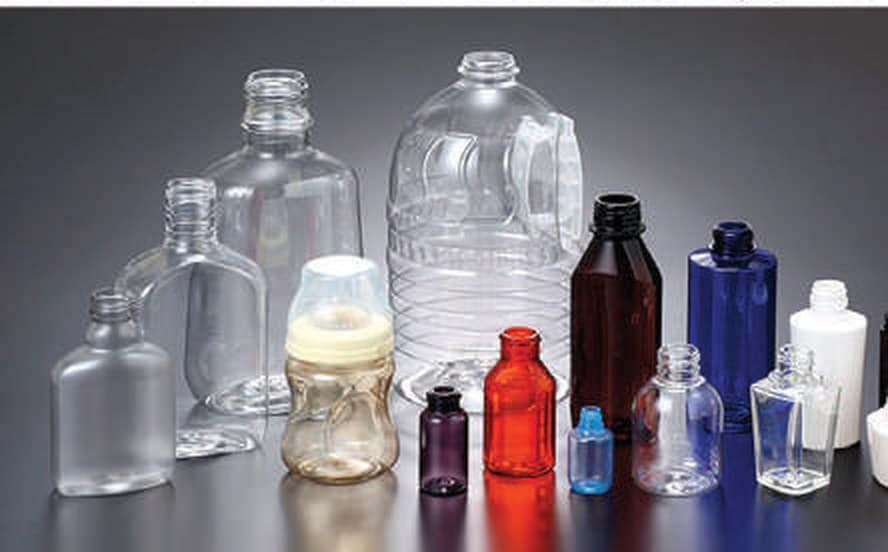
Conveying · Drying · Cooling · Vacuum calibration
Surpresseurs et pompes à vide pour plastiques et lignes PET
Transport, séchage et dégazage pour l'extrusion, le thermoformage et les lignes PET — le côté basse pression de l'usine plastique, dimensionné et non approximé.
Conveying, drying, de-airing — the plastics plant runs on low-pressure air. Get the pressure and flow right and the resin moves clean and dry, batch after batch.
Yash Blowers · Engineering desk
FITLes familles Yash adaptées
Machines built for plastics & pet extrusion
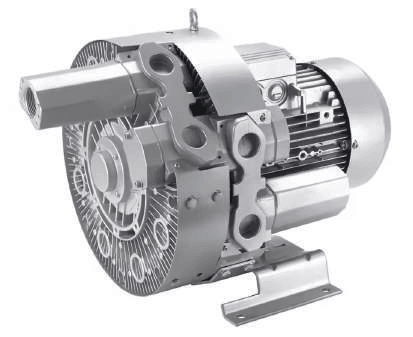
High vacuum and pressure for long central-conveying headers and vacuum sizing tanks in pipe extrusion — holds head where a standard blower runs out.
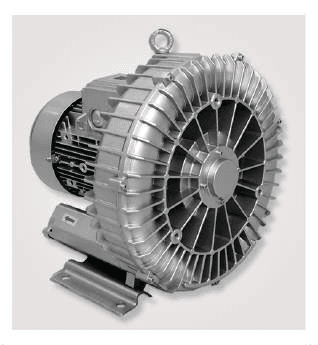
The workhorse for hopper loaders and single-machine vacuum conveying, plus process air on resin and PET dryer loops. Oil-free, continuous duty.
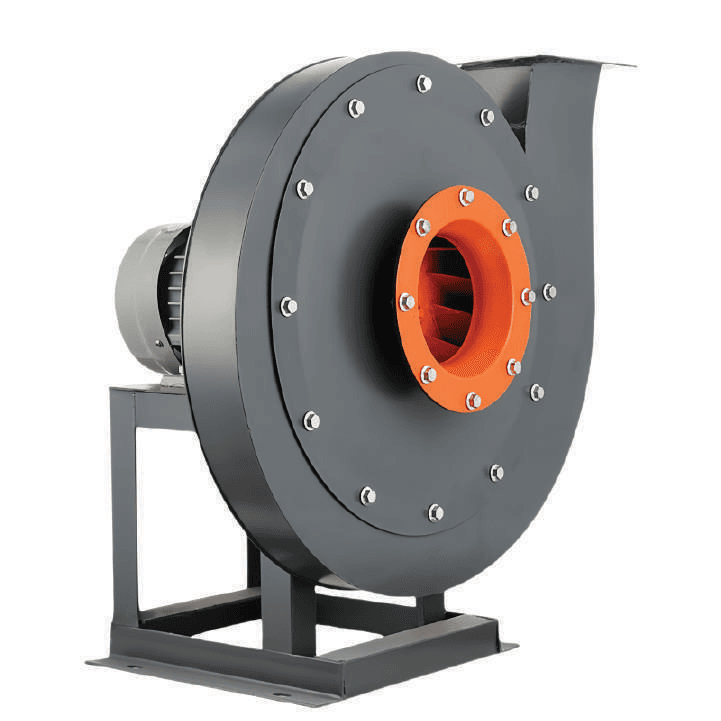
High-volume air for blown-film air rings, de-dusting and post-cutter cooling where flow matters more than pressure.
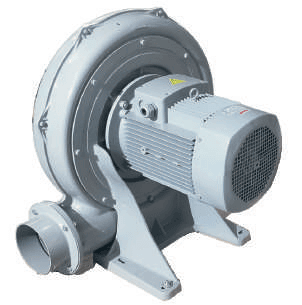
Compact cooling and drying-air supply on profile, sheet and pipe lines — steady volume at modest back-pressure.
APPL'ingénierie
The problem: a plastics line has four different air duties, not one
Ask a converter what a blower does on a plastics line and you often get a single answer — “it moves the granules.” In practice a modern extrusion or injection plant runs on at least four distinct air duties, each with its own pressure, flow and cleanliness requirement, and picking one machine for all of them is how plants end up with a blower that is undersized for conveying and oversized for cooling. The four duties are: pneumatic conveying of resin and regrind to the machines; drying air for resin and PET pre-form dryers; cooling air on the extrusion line and after cutting; and vacuum for the calibration and sizing tanks in pipe extrusion. Get the duty wrong and the symptoms show up downstream as starved extruders, wet melt, warped profile or pipe that will not hold its diameter.
One point to settle first, because it is a common misconception. PET stretch-blow moulding — the step that actually blows a pre-form into a bottle — needs dry, high-pressure air at around 40 bar, and that is a job for a reciprocating high-pressure air compressor, not a blower. A blower will never make bottle-blowing pressure and it is wrong to claim it does. What blowers do on and around a PET line is everything else: convey the resin to the dryer and the machine, push the hot dehumidified air through the PET crystalliser and dryer, cool pre-forms and mouldings after ejection, and pull vacuum where the process needs it. Keep that boundary clear and the rest of the sizing falls into place.
Conveying: moving resin and regrind to the extruders
Getting granules from a silo, gaylord or blending station to the throat of an extruder or the hopper of an injection machine is a pneumatic conveying problem, and it is solved two ways. Vacuum conveying — the hopper loader over each machine — draws material through a tube by pulling a vacuum on a receiver, dropping the granules when the vacuum releases. It is clean, simple and self-contained, which is why single hopper loaders sit on almost every machine in the plant. A regenerative or turbine blower on the vacuum side gives the loader its lift, and because the impeller is the only moving part there is no oil carried into a food-contact resin stream. Pressure conveying pushes material the other way, from a central station out along a header to many machines, and central conveying systems in larger plants combine both: vacuum to lift from source, pressure to distribute.
The two numbers that size a conveying blower are throughput in kg/hr and conveying distance. More material per hour needs more air volume to keep the granules entrained; a longer or taller run needs more pressure or vacuum to overcome pipe friction and lift. A single loader pulling 50–150 kg/hr over a short vertical rise lives happily on a single-stage machine, while a central system feeding a bank of extruders across a hundred metres of pipe needs the sustained vacuum of a high-pressure unit. Regrind changes the picture too: reclaimed flake and chopped scrap is lighter, dustier and less uniform than virgin pellet, so conveying it well means enough air velocity to keep the light fraction moving without shredding it into more fines.
De-dusting: keep fines out of the melt
Every time granules are conveyed they rub against pipe walls and each other and shed fines — fine dust and angel-hair that, left in the feed, scorch on the screw, blemish the product and blind the dryer. A de-dusting step uses a counter-current air stream to lift the light dust off the heavier pellets before they reach the machine, and that air stream is blower-driven. On a conveying line handling regrind this is not optional: the reclaim fraction carries far more dust than virgin resin, and a clean, steady de-dusting airflow is the difference between a clear extrudate and one flecked with carbon.
Drying air: dehumidified and hot for PET and hygroscopic resins
Hygroscopic polymers — PET above all, but also nylon, PC, ABS and PBT — absorb water from the air, and moisture in the melt causes hydrolysis that drops the intrinsic viscosity and leaves the finished part brittle, streaked or full of splay. Drying is therefore mandatory before these resins go to the machine, and drying is an air job. A desiccant dehumidifying dryer blows air through a molecular-sieve bed to strip it to a low dew point, heats it, and pushes it up through a hopper of resin so the hot dry air pulls moisture out of the pellets over several hours. PET typically needs a dew point around −40 °C and hopper temperatures near 160–180 °C, often preceded by a crystallising step. The blower is what drives the process air around that closed loop — through the desiccant bed, the heater and the drying hopper — against the resistance of the resin column and the ducting. It runs continuously, hot, and any pulsation or oil carryover would defeat the purpose, so a clean-air blower matched to the loop's pressure drop is the right machine.
Cooling: extrusion lines, air rings and post-cut air
Once the melt is shaped it has to be cooled in a controlled way, and cool air does much of that work. In blown-film extrusion an air ring rings the die and directs a curtain of cool air onto the emerging bubble; the volume and evenness of that air set the frost line, the film gauge and the output rate, so a stable, high-flow blower on the air ring is central to film quality. On profile and sheet lines, cooling air holds the extrudate to shape as it leaves the die and firms it before it reaches the haul-off. And after the cutter — on granulator lines, pellet lines and pipe cut-to-length — air is used to cool and convey the cut product away and to clear cutting dust. These cooling duties want high volume at modest pressure, which is exactly the band a centrifugal blower serves best.
Vacuum calibration: how pipe extrusion holds its diameter
Pipe and hollow-profile extrusion has a duty that surprises people new to the line: the pipe is sized by vacuum, not by a mould. As the soft, hot tube leaves the die it would sag and shrink unpredictably, so it passes into a vacuum sizing (calibration) tank — a water-filled tank holding a calibrator sleeve. A vacuum is pulled inside the tank, and that vacuum draws the hot pipe wall outward against the calibrator, fixing the outside diameter precisely while cooling water sets the wall. Hold the vacuum steady and the pipe holds its diameter and ovality within tolerance down the whole run; let the vacuum wander and the diameter wanders with it. The machine that pulls and holds that vacuum is a blower, and it is the one duty on the line where vacuum stability is measured directly in the product. A calibration tank needs a blower that holds its set vacuum against the varying air leakage of the tank and the water carryover, which is why plants pick a machine with head to spare rather than one sized right at the edge.
The solution: size each duty on its own numbers
Because the four duties are genuinely different, the right approach is to size each one separately rather than force a compromise. Conveying is sized on throughput (kg/hr) and distance — fix the material rate and the longest run, add a margin for regrind and fines, and pick a vacuum or pressure machine that covers both. Drying is sized on the loop pressure drop and the air volume the hopper needs at temperature. Cooling is sized on air volume first, pressure second. Vacuum calibration is sized on the tank's vacuum set point and leakage, with head in reserve so the pipe diameter never drifts. Use the table below as a starting point for the conveying and vacuum duties, then send us the real throughput, distances and tank vacuum, and we confirm the models. Yash's range spans the whole plant — the high-vacuum machines for calibration and long conveying, and the centrifugal machines for the high-volume cooling and film-line air — so a single supplier and a single spares chain covers the line.
SIZEAide au dimensionnement
| Duty | Throughput / condition | Machine type | Example Yash models |
|---|---|---|---|
| Single hopper loader | 50 – 150 kg/hr, short rise | Single-stage vacuum | YEBL-1-320V |
| Central conveying header | 300 – 800 kg/hr, 50 – 100 m run | High-pressure / vacuum | YEBL-HP-DS-120 · YEBL-HP-DS-165 |
| Regrind / de-dusting air | Light flake, high dust load | Centrifugal, high volume | YBCB-HP-919-4.0 |
| Resin / PET dryer loop | Hot dehumidified process air | Single-stage / centrifugal | YEBL-1-530 · YBCB-CX-150A |
| Film air ring / line cooling | High volume, low pressure | High-pressure centrifugal | YBCB-HP-919-7.5 |
| Vacuum sizing / calibration tank | Steady held vacuum, pipe extrusion | High-pressure vacuum | YEBL-HP-DS-87 · YEBL-HP-DS-120 |
Indicative only — final selection depends on your exact duty point, altitude and air temperature. Send the numbers and an engineer confirms the model.
FAQFrequently asked questions
Can a blower do the bottle-blowing in PET stretch-blow moulding?
No. Stretch-blow moulding blows the pre-form into a bottle at around 40 bar, which needs a high-pressure reciprocating air compressor, not a blower. On a PET line a blower does the surrounding work — conveying resin and pre-forms, driving the dehumidified drying air, and cooling — but it cannot make bottle-blowing pressure. Keep the two machines separate.
How do I size a conveying blower for my plastics line?
Two numbers set it: throughput in kg/hr and conveying distance, including vertical lift. More material per hour needs more air volume to keep granules entrained; a longer or taller run needs more vacuum or pressure to beat pipe friction. Fix the rate and the longest run, add a margin for regrind and fines, and pick the smallest Yash machine that covers both. Send us the numbers and we confirm the model.
Why does pipe extrusion need a vacuum blower?
Pipe is sized by vacuum. As the hot tube leaves the die it enters a vacuum sizing tank, where a blower pulls a steady vacuum that draws the pipe wall outward against a calibrator, fixing the outside diameter while cooling water sets the wall. Vacuum stability directly controls pipe diameter and ovality, so the blower is sized with head in reserve to hold the set point against tank leakage.
Do you export blowers for plastics and extrusion plants?
Yes. We supply and export the full range a plastics plant needs — vacuum machines for conveying and calibration, and centrifugal machines for cooling and film-line air — with spares and test certificates on request, packed in seaworthy crates and with air-freight dispatch for critical spares.
RFQ / Request for Quotation
Dimensionner un surpresseur pour plastiques et extrusion PET ?
Send duty point, flow and pressure — an engineer sizes the right model and quotes ex-works Faridabad, FOB Nhava Sheva or CIF your port.