

Spinning · Weaving · Humidification · Pneumatic transport
Surpresseurs pour le textile : extraction d'humidification et collecte de déchets
De l'extraction de l'air d'humidification à la collecte des déchets et au séchage en filature, tissage et ennoblissement — un air fiable, à un niveau sonore compatible avec l'atelier.
Humidification exhaust, waste collection, drying — a mill needs a lot of air, quietly. Centrifugal and high-pressure blowers move it without shouting over the shop floor.
Yash Blowers · Engineering desk
FITLes familles Yash adaptées
Machines built for textile
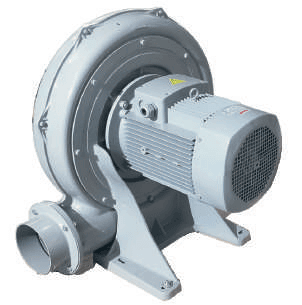
The core high-flow machine for a mill: pneumafil and travelling-cleaner suction, blow-room and card transport air, and humidification supply — thousands of m³/hr at moderate pressure on a broad, stable curve.
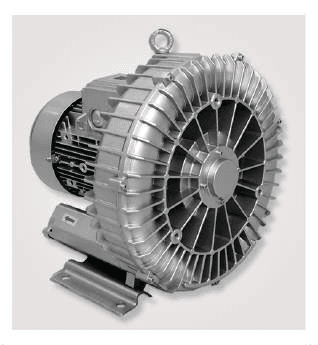
For suction and transport duties that need more head than a standard centrifugal — long duct runs, loaded filter drums or higher fibre-transport velocity — while staying in the high-flow band.
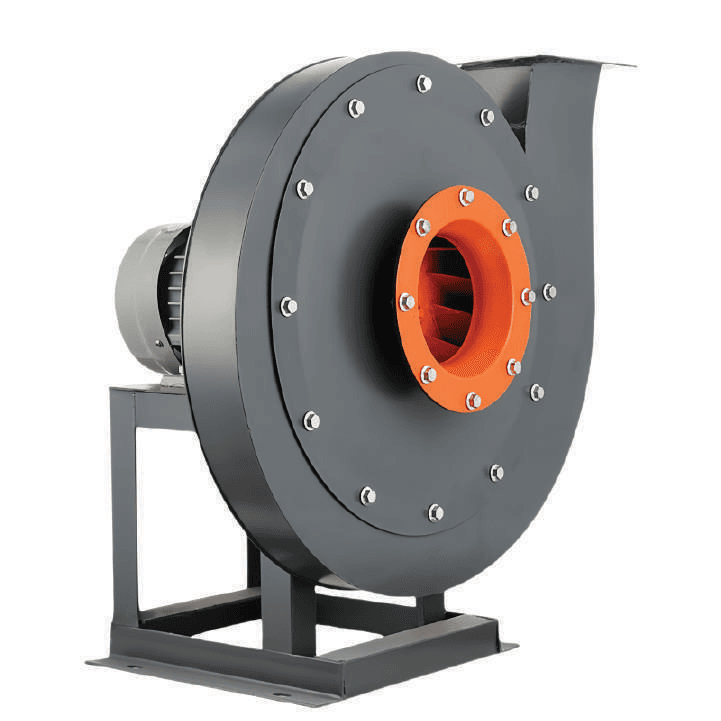
The 919-frame centrifugal for the higher-pressure end of the volume duties: extended humidification ducting or transport lines where the moderate-pressure machines run short of static.
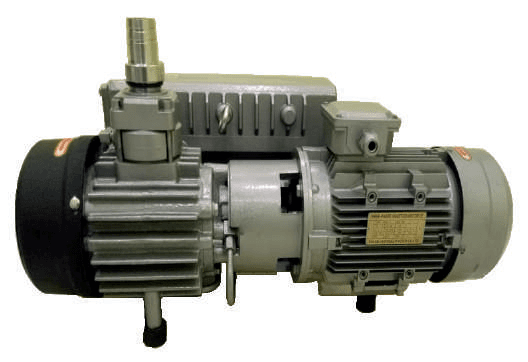
The other family — point-of-use vacuum for card-clothing stripping, fixed machine-cleaning points and localised extraction, where you need real vacuum at small flow rather than bulk volume.
APPL'ingénierie
The problem: a mill is a network of air duties, not one
Ask a spinning-mill engineer where the air goes and you get a list, not an answer. Every ring-frame pulls fibre waste through its pneumafil suction. The travelling cleaners over the machines sweep fly off the creel and the floor. The humidification plant moves enormous volumes of conditioned air through the spinning and weaving halls to hold relative humidity where the yarn wants it. The blow-room and cards push cotton tufts from bale to sliver on a stream of transport air. After wet processing, drying frames need hot air moved through the fabric. And on the modern shop floor, air-jet looms and automatic splicers want a clean, dry compressed or blown air supply at the nozzle.
These are not one duty. They split cleanly into two families, and the single most common sizing mistake in a mill is treating them as if they were the same. Most of the volume — humidification, pneumatic transport, the bulk suction on ring-frames and combers — is high flow at moderate pressure, measured in thousands of m³/hr and a few hundred mm WG or a fraction of a bar. A smaller set of duties — point extraction, a stripping nozzle, a vacuum cleaning line — is lower flow at genuine vacuum. Pick the wrong machine class for either and you pay for it in kilowatts for the life of the mill.
Where the volume is: pneumafil and travelling-cleaner suction
On a ring-frame, every spindle that breaks an end would spew fibre into the machine if the pneumafil suction did not catch the broken end and carry it to the waste box. Multiply that across 1,000 or more spindles per frame and dozens of frames per hall, and the suction system becomes one of the largest continuous air loads in the mill. It runs the entire shift, on every frame, whether ends are breaking or not, because the suction is what keeps the machine clean enough to run at all. Combers and the fly collection over the cards add to it.
The pressure this suction needs is modest — enough to overcome the duct run, the filter drum and the velocity needed to keep fibre airborne, so typically a few hundred mm WG. The flow is large. That is exactly the operating point of a centrifugal blower: a backward- or radial-bladed impeller that moves a lot of air against a moderate resistance efficiently, with a broad, stable curve so the duty does not collapse when a filter drum starts to load. This is where the Yash CX-series and the 919-frame centrifugals sit, and why a mill runs these rather than a positive-displacement machine that would be badly oversized on pressure and starved on flow.
Humidification: size by hall volume and air changes
Cotton and most staple yarns are hygroscopic — they gain and lose moisture with the surrounding air, and their strength and their tendency to generate static and fly depend on it. A spinning hall is typically held around 50–60% relative humidity and a weaving shed higher, often 70–85%, because a humid warp sheds less and breaks less. Holding that against the heat the machines throw off means moving a large, continuously conditioned air volume through the hall, washing it, and returning it.
The air quantity here is set by the room, not by any single machine. The practical sizing basis is hall volume × air changes per hour. Take the floor area times the height for the volume in m³, multiply by the air-change rate the plant designer specifies for that process — commonly in the region of 20–60 air changes per hour depending on the machinery heat load and the humidity target — and you have the supply-air volume in m³/hr. That number is large and the static pressure the fan sees, across the air-washer, the ducting and the supply and return grilles, is moderate. Again a high-flow centrifugal is the right machine, and the humidification plant is often the single biggest air mover in the building.
Worked example
A spinning hall 60 m long, 30 m wide and 5 m to the false ceiling is 9,000 m³. At 40 air changes per hour the plant needs 360,000 m³/hr of supply air. That is not one fan — it is a bank of centrifugals sized so any one can be dropped for cleaning without losing the humidity target across the hall. Fix the room volume, agree the air-change rate with the process, add margin for filter loading, and the model selection follows.
Pneumatic transport in blow-room and cards
Before a fibre is ever spun it has to be opened, cleaned and carried. The blow-room opens compressed bales into tufts and moves them, on a stream of transport air, through openers and cleaners to the cards, and from the cards the web is condensed to sliver. That conveying air is, once more, a high-volume, moderate-pressure duty — enough velocity in the duct to keep cotton tufts entrained and to feed the machines evenly, which puts it squarely on a centrifugal curve. Keeping the flow steady matters here because a sagging transport velocity drops fibre in the duct and chokes the line.
Drying air after wet processing — carrying heat through the fabric on a stenter or dryer and exhausting the moisture — is another moderate- pressure, high-flow load that the same class of machine handles, with the blower selected for the temperature it will see.
The other family: point-of-use vacuum and blown air
Not everything in a mill is high-flow. A pneumatic cleaning line for stripping card clothing, a fixed vacuum point for machine cleaning, or a localised extraction duty needs real vacuum at a relatively small flow — the opposite corner of the map from humidification. That is the job of a high-vacuum pumpor a regenerative ring blower run in suction, not a centrifugal, which cannot generate that depth of vacuum. Similarly, air-jet weaving and automatic air-splicing need a clean, dry air supply delivered at the nozzle. Matching each of these point duties to a vacuum pump or ring blower — instead of forcing them onto the big centrifugal header — is what keeps the whole mill's energy bill sane.
The design discipline is simple to state: bulk volume on centrifugals, point vacuum on vacuum pumps. Draw the two lists, total the flow on the volume side and the vacuum on the point side, and size each family on its own.
Living with lint: filtration and easy cleaning
A spinning mill is a dusty, linty environment by nature — fibre fly is everywhere, and it is the enemy of any rotating machine. An unprotected impeller draws fly straight into the blower, where it builds on the blades, unbalances the rotor and, on the vacuum machines, blinds the filter. So every blower on a mill floor wants inlet filtration sized for the fly load, and it wants to be built so that filter is easy to reach and clean on a routine, without a shutdown that stops a line. Yash centrifugals are cast, machined and dynamically balanced in-house, which is what lets them hold balance through the fly and run the continuous multi-shift duty a mill demands, and the inlet filtration and access are specified around the reality that someone will be cleaning them often. Build in a standby on the critical headers — humidification and ring-frame suction especially — so a machine can come out for cleaning without the hall drifting off its humidity target or a spinning frame losing its suction.
SIZEAide au dimensionnement
| Duty | Air characteristic | Machine class | Example Yash models |
|---|---|---|---|
| Ring-frame / comber pneumafil suction | High flow · moderate pressure | Centrifugal | YBCB-CX-125A · YBCB-CX-150A |
| Humidification-plant supply air | Very high flow · low–moderate static | Centrifugal (bank) | YBCB-CX-150A · YBCB-TBM-200-15 |
| Blow-room / card pneumatic transport | High flow · moderate pressure | Centrifugal / turbine | YBCB-TBM-200-15 · YEBL-1-530 |
| Long-duct / high-static transport | High flow · higher static | HP centrifugal / turbine | YBCB-HP-919-5.5 · YEBL-1-700 |
| Card-clothing stripping / cleaning point | Low flow · genuine vacuum | High-vacuum pump | ACME-140 · ACME-202 |
| Localised extraction / vacuum line | Low flow · genuine vacuum | High-vacuum pump | ACME-202 |
Indicative only — final selection depends on your exact duty point, altitude and air temperature. Send the numbers and an engineer confirms the model.
FAQFrequently asked questions
Why a centrifugal blower for spinning suction and humidification instead of a positive-displacement machine?
Because both duties are high flow at moderate pressure — thousands of m³/hr against a few hundred mm WG. A centrifugal blower is efficient at exactly that operating point and has a broad, stable curve, so the duty holds up as filter drums load. A positive-displacement or high-vacuum machine would be badly oversized on pressure and starved on flow, and you would pay for the mismatch in energy every shift.
How do I size the air for a humidification plant?
Size it on hall volume and air changes, not on any single machine. Take floor area times height for the room volume in m³, multiply by the air-change rate the plant designer specifies for the process — often in the 20–60 per hour range depending on machine heat load and the humidity target — and that gives supply-air volume in m³/hr. Add margin for filter loading, then split the total across a bank of centrifugals so one can be cleaned without losing the humidity target.
When do I need a vacuum pump rather than a centrifugal blower?
When the duty is point-of-use — card-clothing stripping, a fixed machine-cleaning point, a localised extraction line — you need genuine vacuum at a relatively small flow, which a centrifugal cannot generate. Those jobs go on a high-vacuum pump or a ring blower in suction. The rule is bulk volume on centrifugals, point vacuum on vacuum pumps: draw the two lists and size each family separately.
How do Yash blowers cope with all the fibre fly on a mill floor?
Every blower gets inlet filtration sized for the fly load, and it is built so the filter is easy to reach and clean on a routine without shutting a line down. The centrifugals are cast, machined and dynamically balanced in-house so they hold balance as fly accumulates and run the continuous multi-shift duty a mill demands. On the critical headers — humidification and ring-frame suction — build in a standby so a machine can come out for cleaning without the hall drifting off its target.
RFQ / Request for Quotation
Dimensionner un surpresseur pour textile ?
Send duty point, flow and pressure — an engineer sizes the right model and quotes ex-works Faridabad, FOB Nhava Sheva or CIF your port.